Seasonal Trainer Patterns Aligning with Reload Bonus Cycles for Multi-Race Exotic Wager Construction in Harness Racing Circuits
Written by Zara Franke · Oct 29, 2026
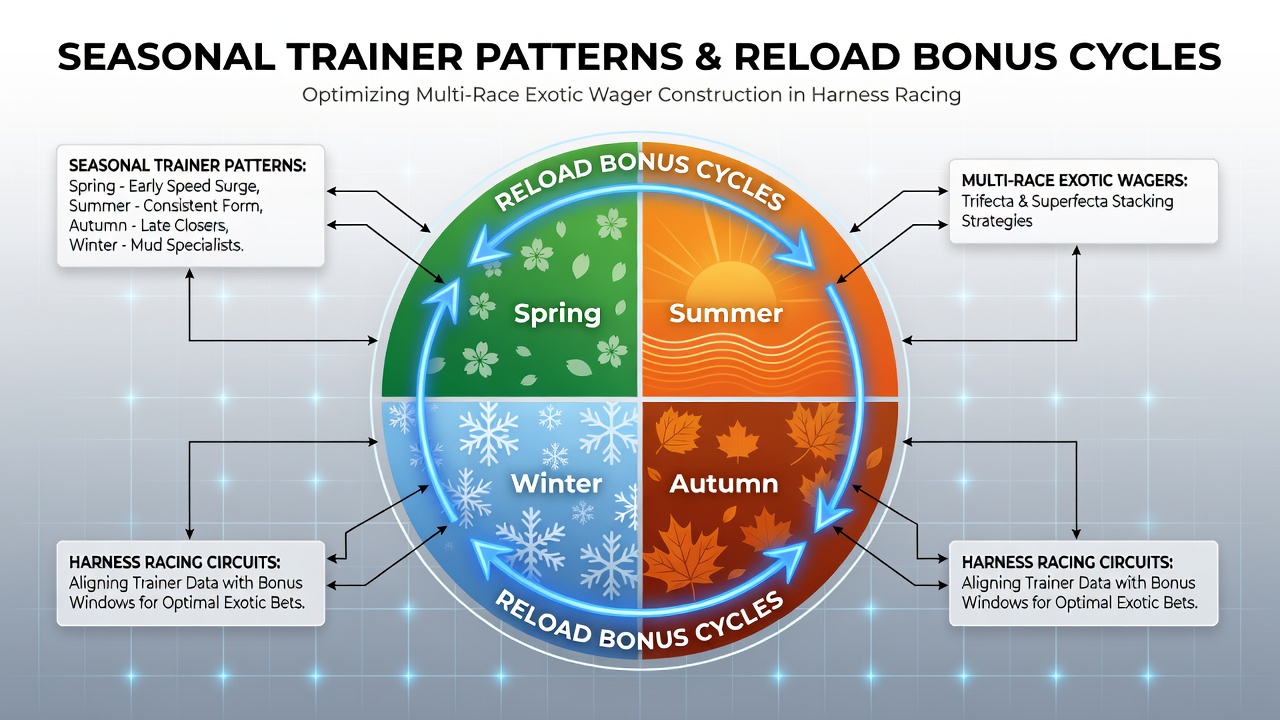
Seasonal Trainer Patterns Aligning with Reload Bonus Cycles for Multi-Race Exotic Wager Construction in Harness Racing Circuits
Harness racing circuits operate on structured calendars where trainers adjust preparation schedules around weather shifts, track conditions, and competition density, and these adjustments create recurring performance windows that bettors track when timing deposit incentives from wagering platforms. Data compiled by the United States Trotting Association reveals that drivers and conditioners in North American circuits often concentrate peak readiness between late summer and early autumn, while similar patterns appear in Australian and Canadian meets according to reports from regional racing authorities.
Understanding Seasonal Shifts in Harness Racing Performance
Trainers modify workout regimens and race selections as daylight hours shorten and temperatures drop, which leads to measurable changes in horse form across multi-week spans. Observers note that pacing and trotting records show higher win rates for certain barns during October stretches, because cooler air reduces fatigue in longer races and allows animals to maintain stride consistency over repeated starts. Those who compile historical charts point out that circuits in the Midwest and Northeast United States frequently schedule major stakes events in this window, drawing concentrated entries that reward careful multi-race construction rather than single-event focus.
Reload bonus cycles from operators typically reset every seven to fourteen days depending on platform policy, and alignment occurs when a fresh deposit window opens just before a cluster of high-volume harness cards. Industry figures indicate that bettors who monitor both the racing calendar and bonus availability can layer additional stakes into exotic pools without increasing net outlay beyond the original deposit amount.
Constructing Multi-Race Exotic Wagers with Pattern Data
Multi-race exotics such as the Pick 4, Pick 5, and Super Hi-5 require sequential selections across consecutive events, and seasonal trainer data supplies the filtering criteria that narrow the field. Researchers at equine performance centers have documented that horses returning from short layoffs under specific trainers exhibit stronger closing fractions during autumn meets, while those with extended campaigns show gradual decline after repeated starts. Bettors therefore cross-reference trainer statistics with upcoming card layouts to identify sequences where a single barn appears multiple times under favorable conditions.
Platforms release reload offers that match a percentage of the deposited sum, and these matches extend the total bankroll available for covering combinations in exotic tickets. When a bonus activates on the same weekend as a regional harness meet featuring several trainer-heavy entries, the effective cost per combination decreases because the matched funds cover additional legs without requiring further capital input. Figures released by the Australian Harness Racing Council demonstrate that similar timing occurs in Southern Hemisphere circuits during their spring transition months, creating parallel opportunities across global wagering networks.
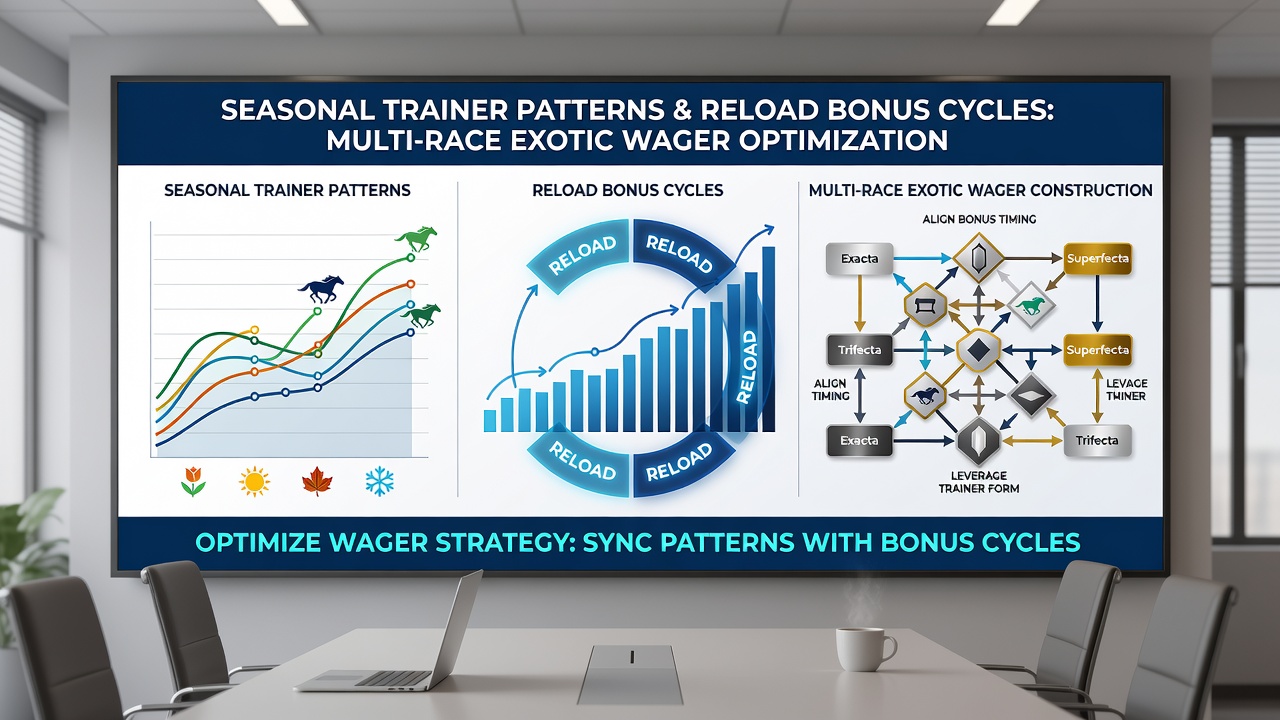
Timing Deposit Incentives with Circuit Schedules
October 2026 presents a dense sequence of stakes at several North American tracks, and operators have historically adjusted reload frequencies to coincide with these dates. Wagering records indicate that accounts receiving matched funds on the first weekend of the month can apply those resources across four or five consecutive programs before the next cycle begins. This overlap allows construction of tickets that span multiple barns known for autumn improvement, while the bonus portion absorbs variance in the longer-priced legs.
European regulatory summaries from bodies such as the Irish Horseracing Regulatory Board note parallel scheduling in trotting events held on the continent, where trainer form peaks align with domestic bonus promotions offered by licensed operators. The result is a cross-border pattern where participants can shift focus between circuits as seasonal conditions change, provided deposit timing remains synchronized with each locale.
Data Sources and Pattern Verification
Verification relies on public performance databases maintained by national trotting associations, which publish trainer statistics broken down by month and track surface. Cross-checking these against bonus calendars posted by operators reveals recurring intervals where the two elements converge. Academic studies from veterinary colleges in Canada have further quantified how environmental factors influence equine recovery rates, supplying an additional layer of confirmation for the seasonal component.
Conclusion
Seasonal trainer patterns in harness racing intersect with reload bonus schedules when circuit calendars and operator policies place high-volume events near recurring deposit windows. Those who review historical data from multiple regions can map these convergences in advance, allowing structured allocation of matched funds across multi-race exotic tickets. Continued publication of performance metrics by racing authorities and transparent bonus terms from licensed platforms support ongoing observation of these alignments without requiring additional capital beyond the initial deposit sequence.